Choosing a dog should never begin with appearance alone. The Staffordshire Bull Terrier is a strong, intelligent, and highly people-oriented breed, but these qualities come with responsibilities that are often underestimated. A clear understanding of the breed's instincts, temperament, and management needs is essential before committing to ownership.
SBTpedigree.com exists to support informed and responsible decisions about the Staffordshire Bull Terrier. The purpose is not to encourage or discourage ownership, but to present an honest picture of what living with this breed involves—both the positives and the challenges—so that potential owners can assess whether the breed truly fits their lifestyle.
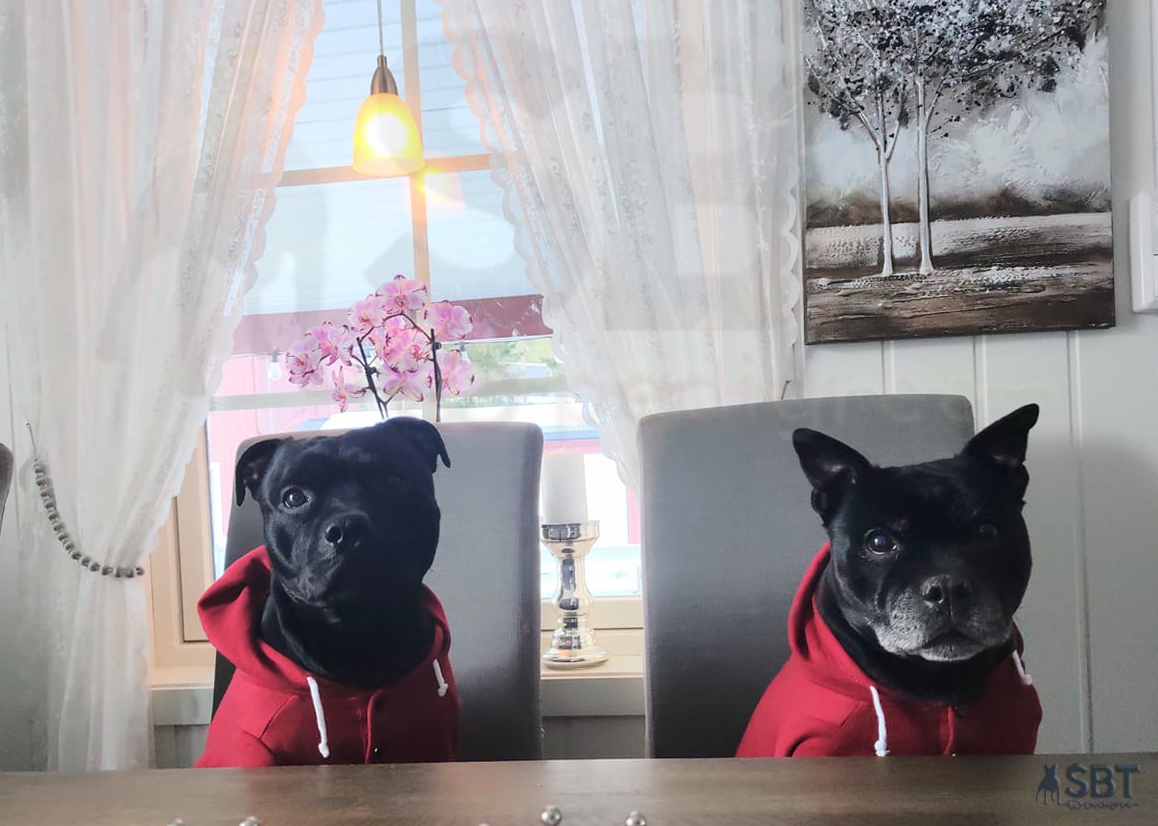
Living With a Staffordshire Bull Terrier
Staffordshire Bull Terriers are known for their enthusiasm, confidence, and emotional intensity. They form strong bonds with people and thrive on close human interaction. This is not a passive or independent breed; they prefer to be involved, engaged, and included in everyday life.
They are often described as joyful, expressive, and entertaining companions, but they are also demanding in terms of time, structure, and supervision. Their presence in a household is significant, and owners should be prepared for a dog that requires both physical and mental engagement on a daily basis.
Breed Instincts and Dog-to-Dog Dynamics
While Staffordshire Bull Terriers are generally affectionate and reliable with people, they are a terrier breed with strong instincts. Dog-to-dog intolerance, particularly same-sex aggression, is a known and well-documented characteristic within the breed. This does not mean every Staffordshire Bull Terrier will display aggressive behaviour, but it does mean that careful management and realistic expectations are essential.
Staffordshire Bull Terriers are not a breed that should routinely be kept with another dog of the same sex and similar age, especially as they reach social maturity. Even dogs that coexist well as puppies may develop conflict as adults. This is not a training failure; it is a reflection of breed traits that must be respected.
For this reason, the Staffordshire Bull Terrier is not well suited to owners who want a multi-dog household without active management, nor to those who are unwilling to separate dogs when necessary. Understanding and accepting this aspect of the breed is crucial to responsible ownership.
Temperament, Development, and Training
Staffordshire Bull Terriers are intelligent, determined, and capable of independent decision-making. These traits can be positive when guided correctly, but they require consistent training, clear boundaries, and early socialisation. Puppyhood and adolescence are particularly important stages, during which owners must be prepared to invest time and effort.
Young dogs are curious and physically capable, and when under-managed they may engage in destructive behaviour or investigate unsafe objects. Preventive management—rather than correction after the fact—is key to avoiding problems, including preventable veterinary emergencies.
This breed is not suitable for inexperienced owners who are unwilling to educate themselves. First-time dog owners who choose a Staffordshire Bull Terrier must be committed to learning about the breed's instincts and behavioural tendencies, rather than assuming all dogs are the same.
When Expectations Don't Match Reality
A significant number of Staffordshire Bull Terriers worldwide are returned to the breeder or enter rescue because their owners were unprepared for the realities of the breed.
This most often stems from insufficient research, unrealistic expectations, or a failure to recognise the importance of management in relation to dog-to-dog behaviour.
When the needs of the breed are underestimated, the consequences can be severe for the dog. Rehoming, instability, and behavioural deterioration are common outcomes. Breeders and Rescue organisations are then left to manage situations that could often have been avoided through better preparation and honest guidance at the outset.
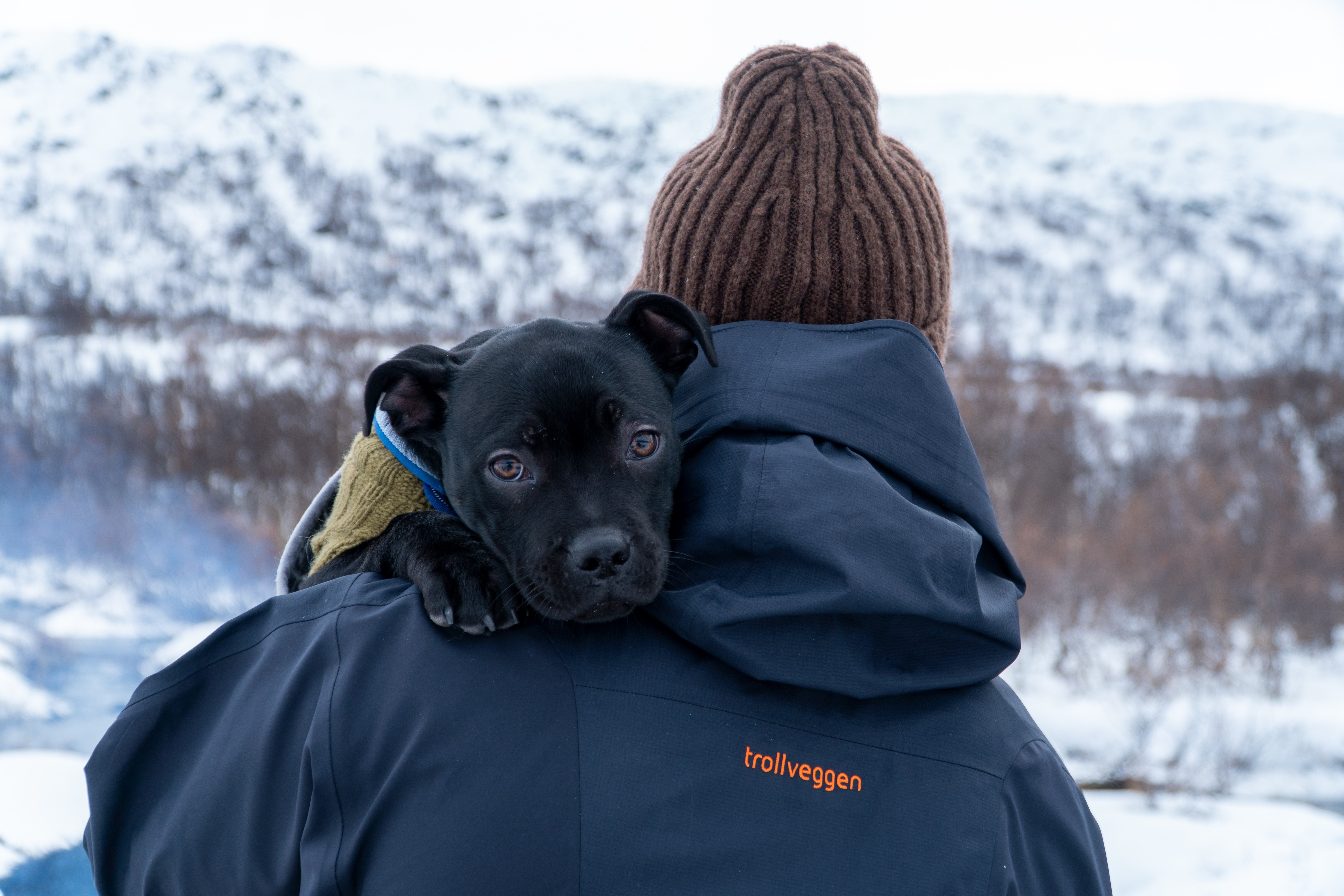
Security and Identification
The Staffordshire Bull Terrier's recognisable appearance can make the breed vulnerable to theft. Leaving a dog unattended in unsecured areas is strongly discouraged. In addition, their inquisitive nature may lead them to dig or attempt escape if fencing and supervision are inadequate.
Permanent identification, such as microchipping, should be considered an absolute minimum requirement for responsible ownership.
Choosing the Right Starting Point
For those new to the breed, an adult Staffordshire Bull Terrier may be a more suitable introduction than a puppy. Mature dogs often have established temperaments and clearer behavioural patterns, making it easier for prospective owners to assess compatibility—particularly in relation to other dogs.
Making Informed Decisions
Before seeking a puppy, prospective owners are encouraged to familiarise themselves with responsible breeding practices, health considerations, and long-term commitment. The resources on SBTpedigree.com are designed to help owners understand what ethical breeding looks like and why it matters.
Selecting a responsible breeder is one of the most important steps in the process. A good breeder remains a point of contact and support throughout the dog's life, not only at the time of sale. Make sure to also read about unethical breeders and how to avoid these.
A well-matched home, grounded in knowledge rather than assumptions, benefits everyone involved—and ultimately supports the long-term welfare and stability of the Staffordshire Bull Terrier as a breed.
Connecting the Responsibility
Responsible ownership begins long before a puppy comes home. The first responsibility lies in honestly assessing whether the Staffordshire Bull Terrier is the right breed for you—not just in theory, but in everyday life, over many years.
The next responsibility is doing the necessary groundwork to find an ethical breeder. Choosing where your puppy comes from is an active decision that directly affects the dog's health, temperament, and long-term wellbeing, as well as the future of the breed itself.
Finally, responsibility does not end at purchase. Once the dog is part of your life, it is your obligation to provide the structure, training, management, and care the breed requires. This allows the dog to develop into the best version of itself, supports the breeder's efforts and breeding goals, and contributes positively to the Staffordshire Bull Terrier as a breed.
These steps are not separate—they are connected. Skipping any one of them undermines the others.