Popular sire syndrome occurs when a single male becomes so widely used within a breed that his genes spread throughout the population to the point where avoiding him in future matings becomes difficult—or even impossible. This typically begins with a large number of bitches being bred to one highly sought-after sire, followed by widespread use of his sons, then grandsons, and so on. Over time, the dog appears repeatedly across pedigrees, dominating the gene pool.
The result is that much of the breed's breeding stock carries the same genetic influence, often within only a few generations. When this happens, genetic diversity declines, and breeders may find themselves constrained in their mating choices.
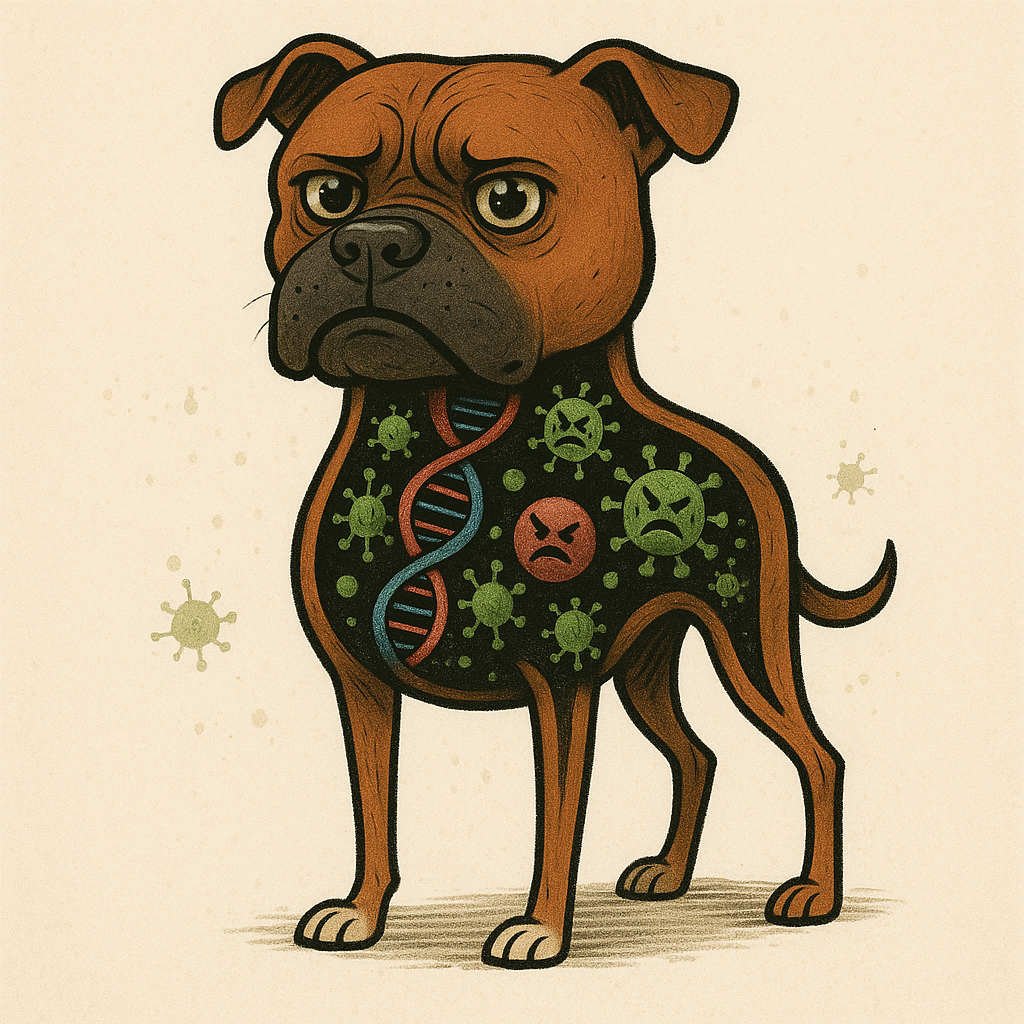
The most damaging situation arises when a popular sire carries hidden hereditary defects. Even if the dog appears healthy and successful, recessive diseases or other genetic weaknesses can be silently passed on. As his genes become increasingly concentrated through line-breeding, these problems begin to surface across the breed. What was once manageable becomes widespread, and breeders may find the breed effectively "bred into a corner," with few viable options that do not trace back to the same source.
Popular sire syndrome is therefore a mixed blessing. A dog may genuinely possess many outstanding qualities and contribute positively to type, temperament, or overall quality. However, even desirable sires often have weaknesses. For example, a top-winning dog of a particular era may have a beautiful head, strong breed type, and eye-catching markings, yet also possess an incorrect front assembly.
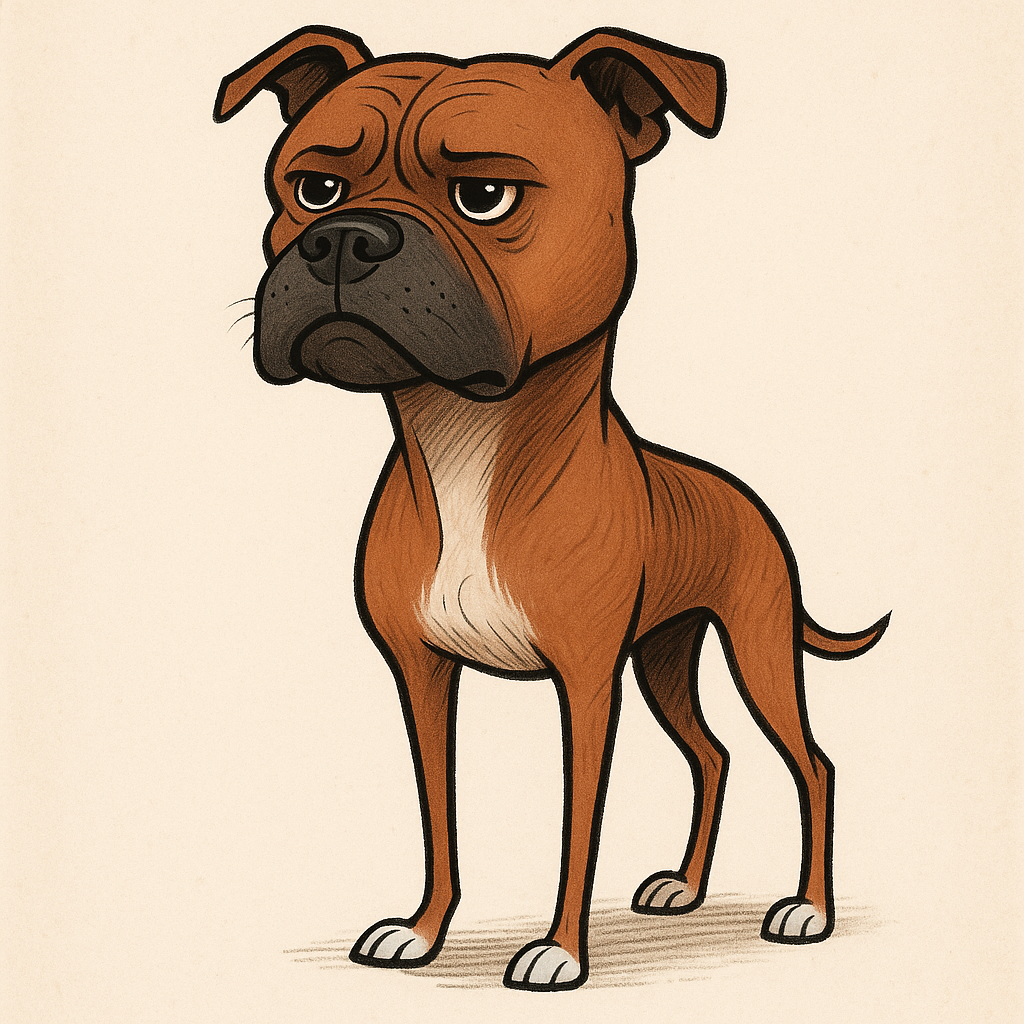
When breeders focus heavily on his virtues and overlook his faults, that structural weakness can become widespread and extremely difficult to correct later. In such cases, the breed pays a high price for concentrating on a narrow set of desirable traits.
One of the most valuable services to a breed often comes not from following trends, but from knowledgeable breeders who deliberately seek out high-quality, well-constructed dogs that are less closely connected to the dominant bloodlines. These sires may be unpublicised, less fashionable, or found outside the show spotlight, but they can offer sound conformation, good health, and, crucially, genetic diversity.
Introducing such alternative sires into breeding programmes provides essential genetic breathing space for breeds affected by popular sire syndrome. Although finding these dogs may require extra effort and research, the long-term benefit to the breed's health and sustainability makes that effort worthwhile.